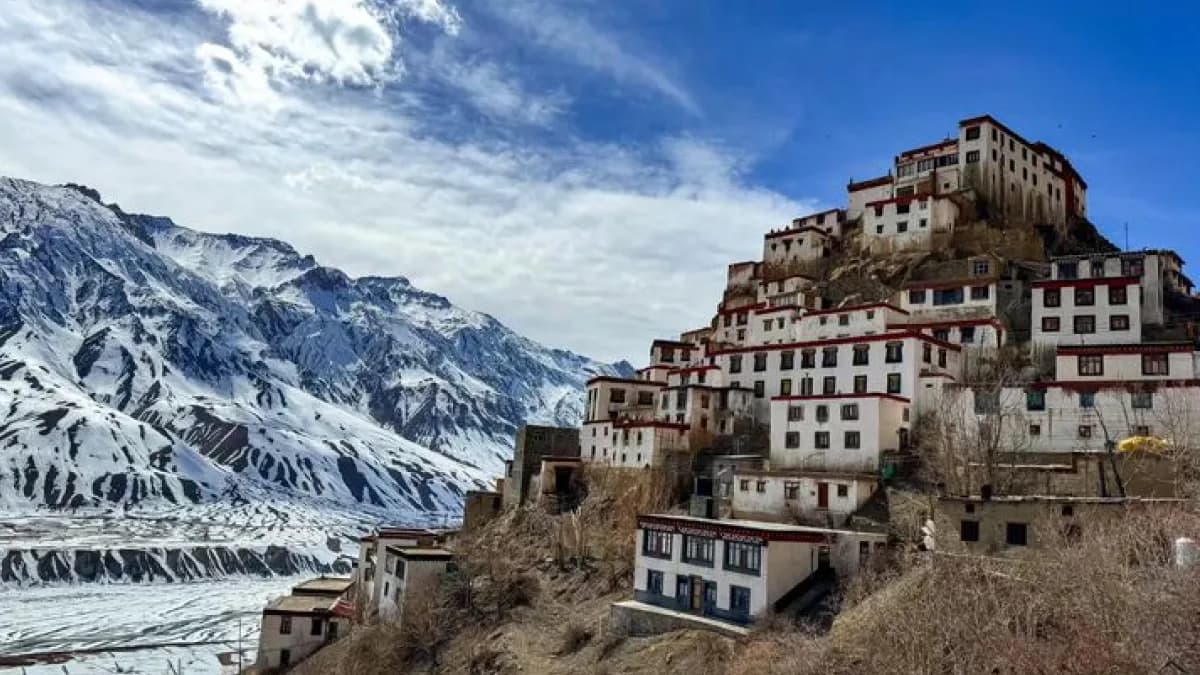

The 'middle land' between Tibet and India may not sound like your standard holiday destination. But Spiti Valley is a high-altitude desert, offering a raw, unfiltered mountain experience. If you are tired of crowded hill stations and crave the absolute silence of ancient monasteries perched on barren cliffs, this is where you need to be.
However, traversing these rugged terrains requires careful planning, especially if you want to protect your wallet. Managing your Spiti Valley trip budget effectively means you can spend more time enjoying the serene surroundings and less time worrying about expenses. Here is exactly how to do it.
Breaking Down the Costs
To keep things on a budget, you must travel and eat like a local. Here is a complete guide on the important expenses:
- Accommodation
Ditch the luxury hotels and opt for traditional homestays in villages like Kibber or Komic. They cost around ₹600 to ₹1,000 per night and usually include a warm, home-cooked meal. It the best way to experience local culture and cuisine at once.
- Food
Stick to local dhabas serving hot thukpa, momos, and dal chawal. Your daily food expenses should easily stay under ₹500.
- Transport
The most budget-friendly way to navigate the valley is by using the Himachal Road Transport Corporation (HRTC) buses or jumping into shared Sumos (local taxis). Budget around ₹800 to ₹1,200 per day for transit. It could vary based on the season and the distance you are travelling.
Overall, a well-planned week in the valley should cost a backpacker roughly ₹10,000 to ₹12,000, excluding flights or trains to your starting point.
A Diverse 7-Day Budget Itinerary
To avoid acute mountain sickness (AMS), always start your journey from Shimla, which allows for gradual acclimatisation, and exit via Manali.
Days 1 & 2: Begin the Upward Climb from Shimla to Kalpa to Tab
Take an early morning HRTC bus from Shimla to Kalpa. Spend the night admiring the Kinner Kailash range. The next day, continue your journey towards Tabo.
This transition from the green Kinnaur valley into the stark, brown landscapes of Spiti is visually stunning. Visit the 1,000-year-old Tabo Monastery before resting.
Days 3 & 4: Explore the Heart of the Valley, i.e., Kaza and Beyond
Make your way to Kaza, the commercial centre of Spiti. Use this as your base to hire a shared cab for the 'monastery circuit'. You will explore the iconic Key Monastery, which looks like a fortress built into the rock face.
Next, visit Hikkim to post a letter from the world’s highest post office, and stop by Langza to hunt for ancient marine fossils sitting right on the surface of the mountain.
Days 5 & 6: Go further up to the High Altitude Lake (Kaza to Chandratal)
Catch a morning shared taxi heading towards Kunzum Pass. From the diversion at Batal, you can hike or take a local shuttle to Chandratal Lake. The crescent-shaped lake changes colours throughout the day and offers the most peaceful, remote camping experience imaginable.
Day 7: Soak in the Rugged Descent (Chandratal to Manali)
Brace yourself for the bumpy ride back to civilisation. The road from Batal to Rohtang Pass is notoriously rough, but the dramatic scenery keeps you distracted until you finally descend into the lush pine forests of Manali.
Essential Survival Tips for Spiti
No Spiti Valley travel guide India is complete without practical survival advice:
- Cash is King: ATMs in Kaza are frequently out of order. Withdraw enough cash in Shimla or Kalpa to last your entire trip.
- Staying Connected: Only BSNL and Jio postpaid SIM cards work in the deeper parts of the valley. Inform your family about connectivity blackouts beforehand.
- Pack in Layers: The sun is incredibly harsh during the day, but temperatures plummet to near freezing at night. Thermal wear is non-negotiable.
Conclusion
Exploring Spiti is about embracing the unpredictability of the mountains. By staying in local homes and using public transport, you not only save money but also engage directly with the incredibly hospitable local culture.
To turn this dream trip into reality, remember that www.travelbudgetly.com is a website that allows you to compare and choose the best travel packages to suit your needs and preference. Also, with every booking, it allows you to earn valuable discounts and cashback, and also get information about different travel destinations, alongside tips and tricks to make your travel better and affordable.